
Why is everything a paid subscription now?
We pay more than ever and keep less than ever

There’s a company that wants to sell you sunlight by the hour. Yes, real sunlight, from the actual sun, beamed down after dark by giant mirrors in orbit.
And for a lovely $5k/hour, it could be yours! But move quickly, because people are already making reservations!
You probably think I’m kidding. I’m not. The company is called Reflect Orbital, and their first satellite launches on a SpaceX rocket later this year.
Now, to be fair, the target customers are mostly solar farms trying to generate power after sunset, not billionaires looking to tan at midnight. There’s a world where this is probably good for clean energy. But still… even a potentially semi-reasonable version of the future shows up with an hourly rate.
But are we surprised? At this point, what isn’t a subscription?
The tale of a gazillion subscriptions
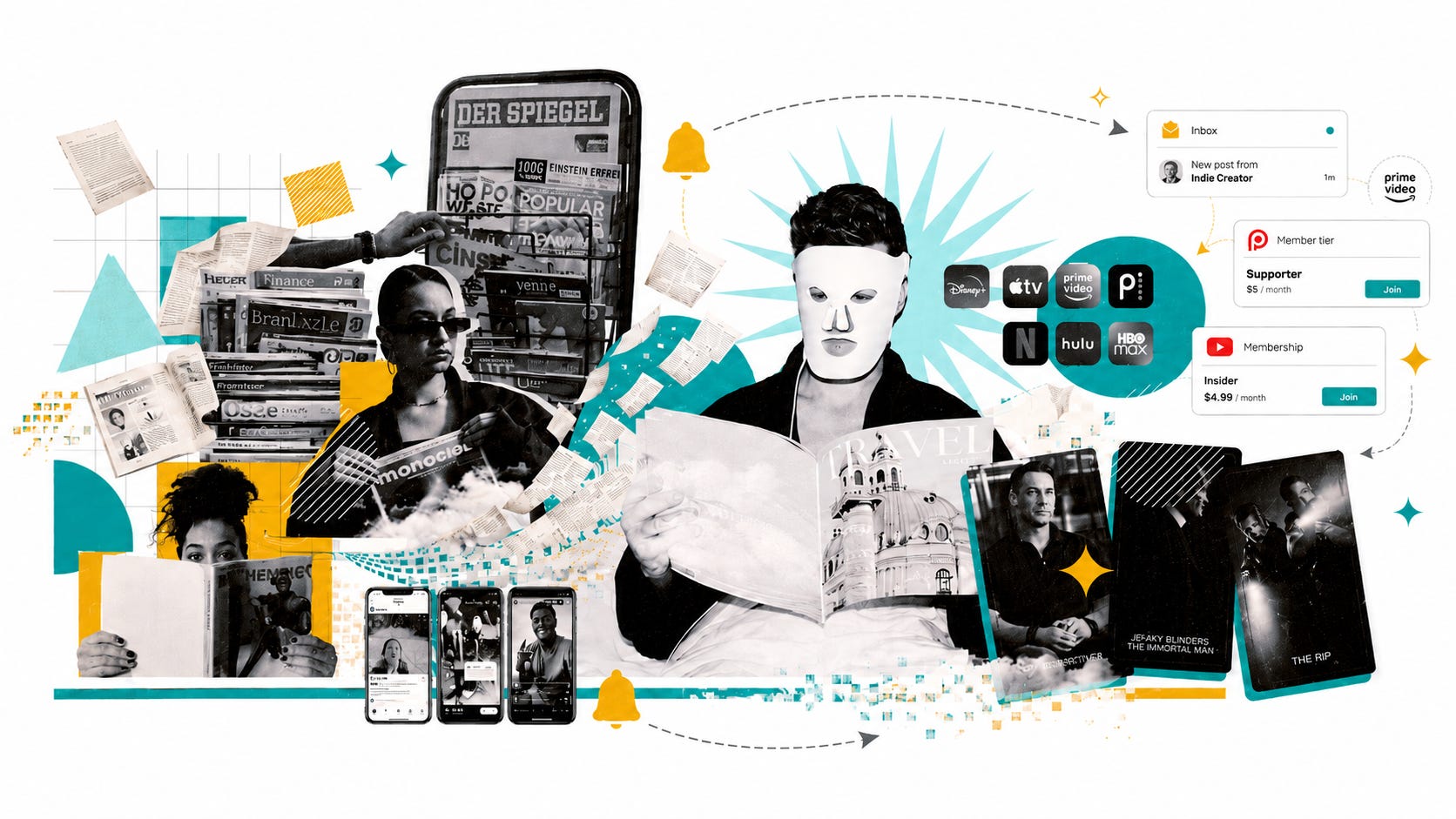
Somehow I now pay for Prime, Netflix, HBO Max, Peacock, Hulu, Apple TV, and probably more. I didn’t even know MGM+ existed until I started watching From. But I just sighed and subscribed through Prime. A subscription inside of a subscription, go figure.
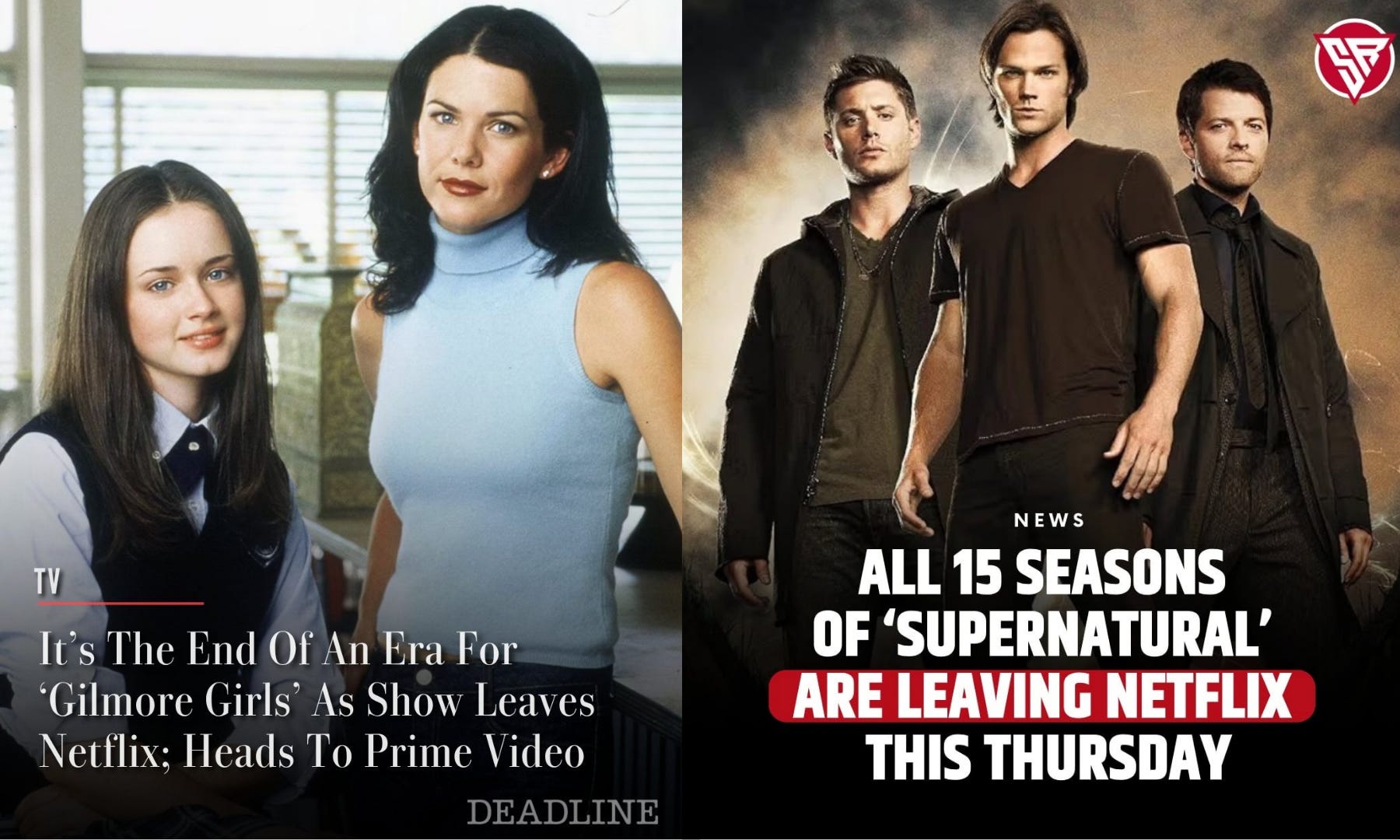
But that’s the system now. A show we love disappears from one app and resurfaces on another, and many of us just follow it around the internet with our wallets out. Supernatural left Netflix, so now I watch it on Prime. Which works, because American Horror Story is there too. Gilmore Girls is on Hulu now, so obviously I can’t get rid of that. The list continues.
And maybe if this stopped at TV, it wouldn’t be a huge deal. But it’s everywhere now. Newsletters have paid tiers. Video games require monthly passes, so you’re not really buying the game, you’re renting a library. Our favorite creators have Patreons (get the bag though!!). But now BMW is charging $18 a month for heated seats that are already installed in the car, and my rain sounds app wants me to pay a monthly fee.
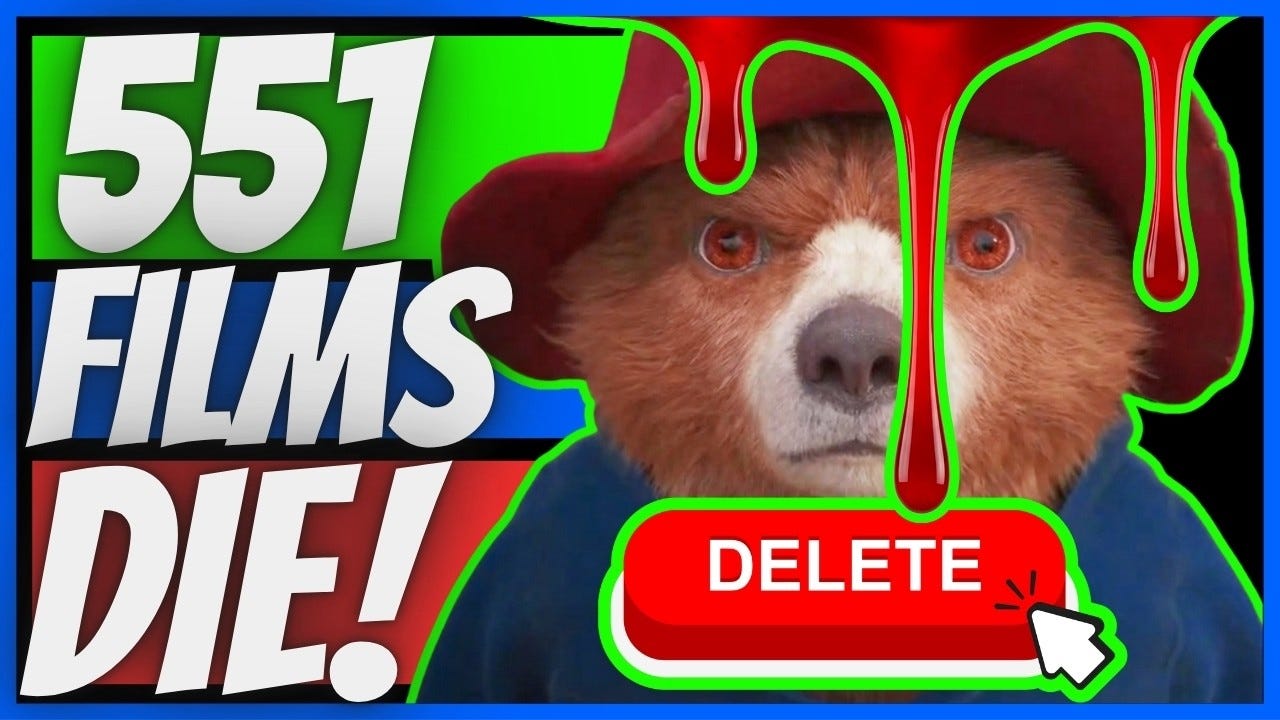
Even the stuff we buy outright isn’t really ours. By September 1st, Sony will have deleted 551 movies from PlayStation users’ video libraries in the UK. Movies people paid full price for, gone, because a licensing deal expired somewhere.
And if that sounds illegal, California thought so too. There’s now a law requiring companies to disclose that “buying” a digital product just means licensing it.
Soooo the “buy” button has an asterisk now.
Solid, liquid, and whatever my Spotify is
When I was a kid, you could look at someone’s bookshelf and learn something about them & the way they think. CD binders, movie collections… our stuff told our story.
Now almost everything we watch, read, and listen to lives in apps.
Two consumer researchers named this shift in buying.
Basically, we used to engage in something called “solid consumption.” It was ownership-based and centered on physical material. You exchanged money for something you could hold. The new way is “liquid consumption.” It’s ephemeral and access-based. Dematerialized. Everything flows in, and everything flows right back out.
They borrowed the word “liquid” from a sociologist who argued that modern life itself went liquid first. We change jobs every few years. We rent longer, move more, and settle down later, if at all. Nothing about a modern life is really built to stay put, so buying stopped staying put too. Which makes sense — if you might move a lot, you want to travel light. Streaming is freedom.
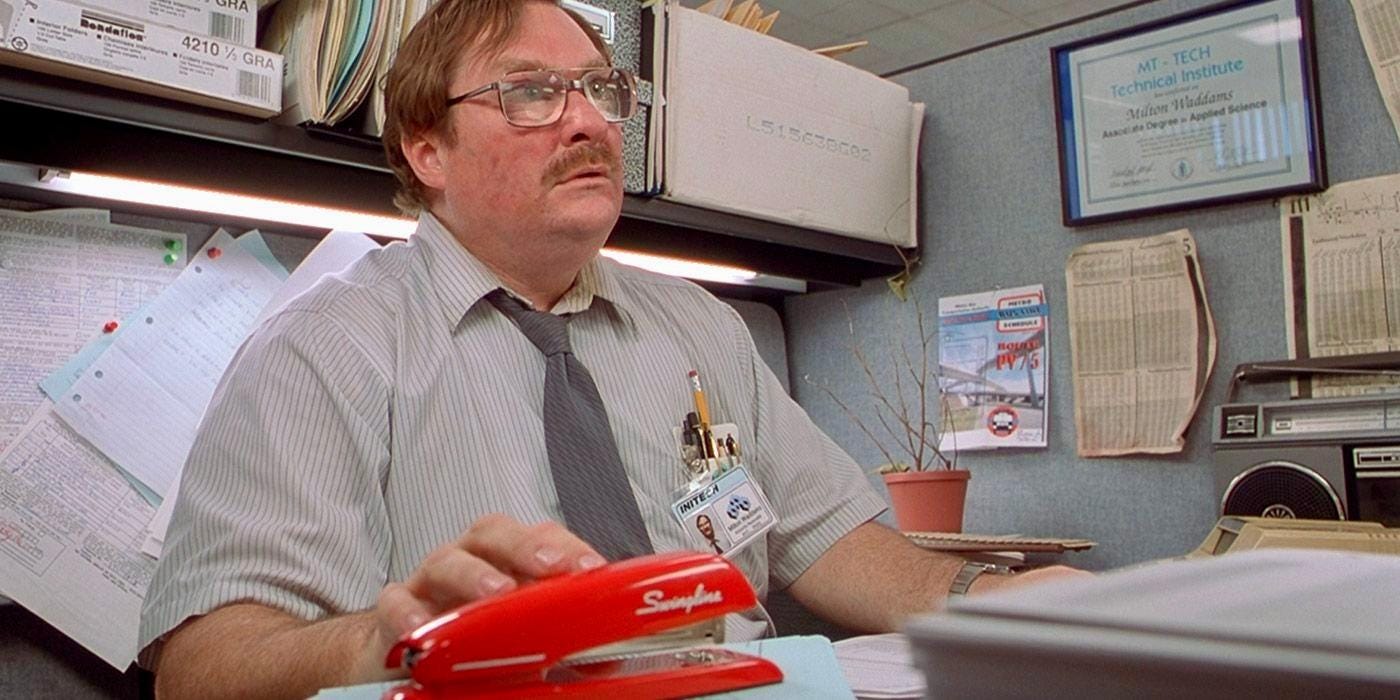
But the difference runs deeper than just extra shelf space. A v famous paper from 1988 argues that our possessions become extensions of ourselves, that “we are what we have.” We bond with the things we own. They hold our memories and tell our story back to us and to whoever comes after. Researchers have even documented that we value the things we own more than identical things we don’t. A stapler is valuable to us the moment it becomes our stapler.
Subscriptions don’t get that treatment. Study after study keeps finding that we don’t identify with the stuff we rent. It passes through us. But that same research found that feeling of “ownership” isn’t really about the object at all. It’s about effort. We come to feel like something is ours when we invest ourselves in it: when we spend time with it, learn it inside and out, and feel proud of what we put together.
Which explains why I’m so attached to my decade-old rock playlists on Spotify.
That attachment is real, and it’s still part of who we are. It just lives on a rented server now, and it disappears the day we stop paying.
And some people have decided that doesn’t work for them, because…
…why is Gen Z buying record players?
Vinyl records just crossed $1 billion in US sales for the first time since the 80s, and cassette sales rose 200% last year. Largely thanks to Gen Z folks.
And if you pull up the vinyl chart this week, it’s topped by artists in their mid-twenties, with the people buying them in their late teens. A 2024 survey found that a bigger share of Gen Z listens to music on physical formats than any other age group.
Which is wild, because in theory, Gen Z can’t be nostalgic for records. They never had them. Really, liquid consumption is all they’ve ever known.
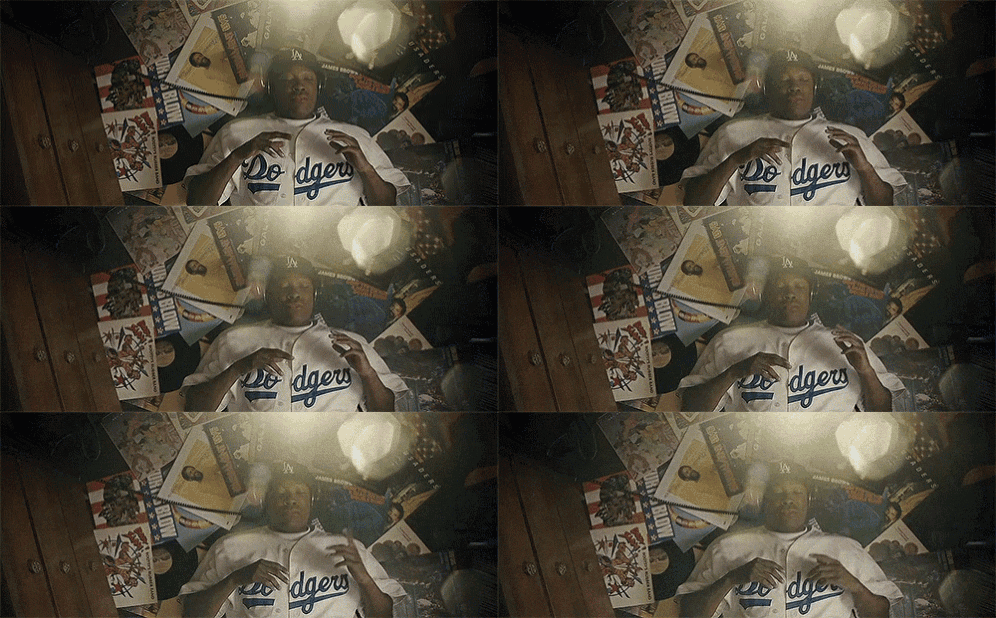
But 35% of Gen Z said they’re taking up analog hobbies because of digital exhaustion. The generation with no memory of ownership looked at a life where everything streams, rotates, and disappears, and started paying extra for the one arrangement where nothing does. You buy the record once, then it’s yours.
Nobody can revoke it, reprice it, or slyly edit the terms.
My condolences to your Prime library
Back in college, I went to an estate sale and found an entire movie collection. I got the classics: Bette Davis, Alfred Hitchcock, the works. Somebody spent a lifetime building that library, and most of it ended up on my shelf. I cherish them.
But I buy my movies on Prime now. Those purchases won’t be passed down. At some point, they’ll probably be deleted because of an expired licensing deal.
To be clear, I’m not saying we should cancel all of our subscriptions. Tbh I’m not willing to give up the convenience, and I don’t need to own every movie I watch. But I do think it’s worth knowing which stuff actually matters to us. Because the subscription model isn’t going anywhere, and it doesn’t care what’s sentimental. Everything gets treated the same way: available this month, maybe gone the next.
So it’s on each of us to figure out what we’d actually miss. What would you want to keep, if keeping was still an option?
For more on internet culture, social, and the psychology behind why we behave the way we do online, follow along on Instagram. 🫶🏽
I saw a meme that essentially said ‘one day our walking subscription will expire and we’ll have to pay for access to our own legs.’ 😂 🫣😩😩😩 i’m still in disbelief that I let Spotify trick me into paying for my own music every month!